Sour Power: How British Drinking Vinegars Became the Deli Counter's Sharpest Asset
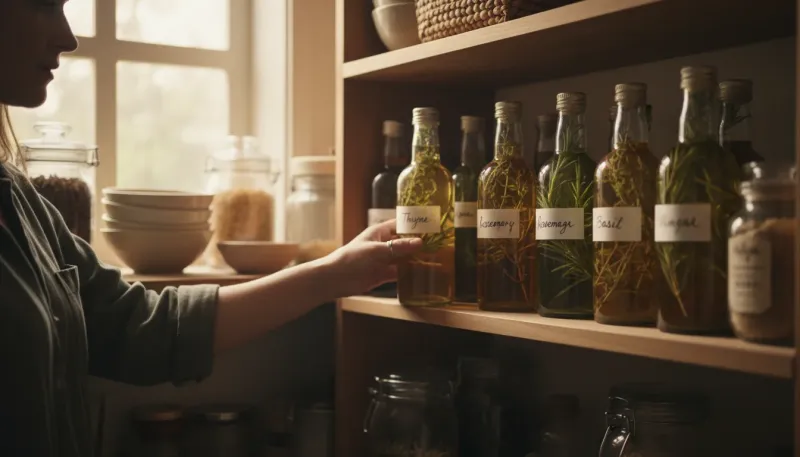
Photo: artisan drinking vinegar bottles shrub deli shelf, via simplegardenjoy.com
There was a time when the word 'vinegar' conjured little beyond a splashed chip shop bottle and a wince. Not any more. Along the polished shelves of Britain's independent delis, a quiet revolution is taking place: rows of amber, blush and deep mahogany bottles holding shrubs, drinking vinegars and verjus, each promising a different shade of sour.
A Brief History of Drinking Your Acid
The shrub — from the Arabic sharbah, via colonial America — is no passing fad. It is a revival. Fruit, sugar and vinegar, left to macerate and marry, sustained sailors and temperance movements alike for centuries. What today's makers have done is apply the same obsessive sourcing we demand of our cheese and charcuterie: single-orchard apples, foraged elderberries, honey-sweetened cordials pressed in small batches across Somerset, Kent and the Welsh borders.
Verjus, meanwhile — the tart juice of unripe grapes, a medieval staple rescued by modern kitchens — offers gentler acidity than wine vinegar, delicate enough to dress a salad of Jersey Royals without overwhelming it.
Why Acidity Is the Food Lover's Secret Weapon
Great cooking is a negotiation of balance, and acid is the diplomat. A splash of apple balsamic deglazes the pan after frying a slice of black pudding, lifting the richness into something almost elegant. A dash of raspberry shrub over fresh oysters does the work of a mignonette with half the fuss. Even the humblest roast chicken benefits from a spoonful of verjus stirred through the resting juices.
For the non-drinker, the possibilities are richer still. Shrubs poured over ice with sparkling water make a zero-waste, zero-alcohol aperitif of genuine sophistication — no synthetic flavourings, just fruit and fermentation.
The Pairing Playbook
Treat the vinegar shelf as you would the wine list, and the deli counter becomes your playground:
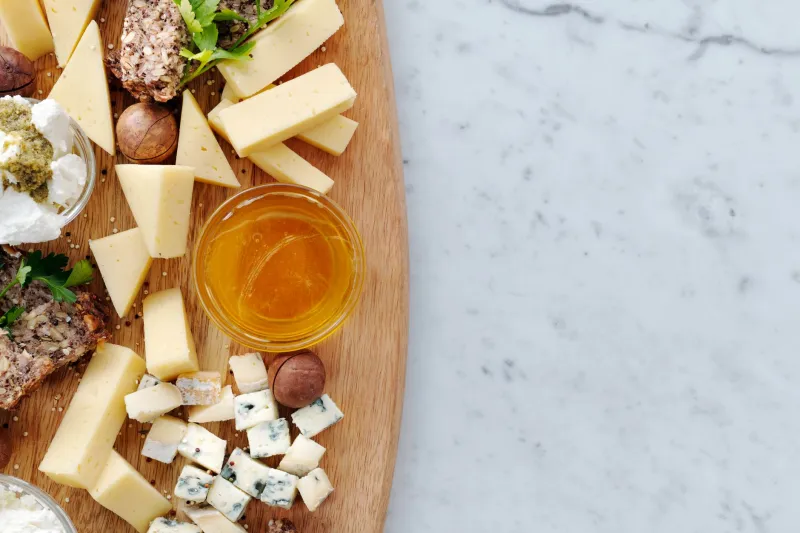
- Raw apple shrub with a young, crumbly Lancashire — the orchard acidity mirrors the cheese's lactic tang beautifully.
- Elderberry drinking vinegar with rich, gamey charcuterie — venison salami in particular — cutting through the fat like a well-judged claret.
- Verjus with a triple-cream brie-style cheese — softer than vinegar, it refreshes the palate without stripping the creaminess.
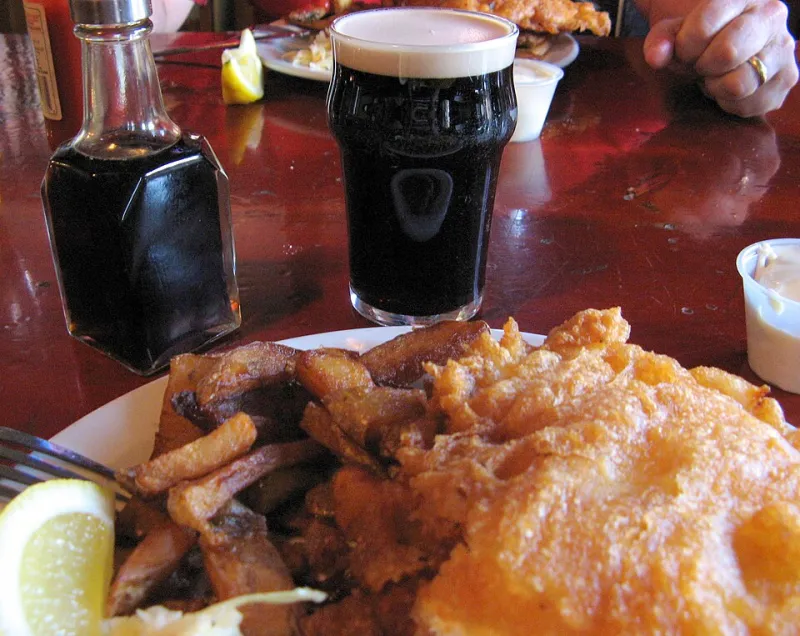
- Malt vinegar, aged and artisanal, drizzled over burnt-butter greens — proof that even the familiar can be elevated.
The Shelf Worth Browsing
Ask your deli for tastings; good makers are proud of theirs. Look for short ingredient lists — fruit, sugar, vinegar, nothing synthetic — and unpasteurised bases where possible, which carry a livelier complexity. Store them cool and dark, and they will keep happily for a year, mellowing as they go.
The wine list had its century of glamour. The vinegar shelf is where the interesting conversation is happening now.