The Quiet Rebellion of the Modern British Deli Counter
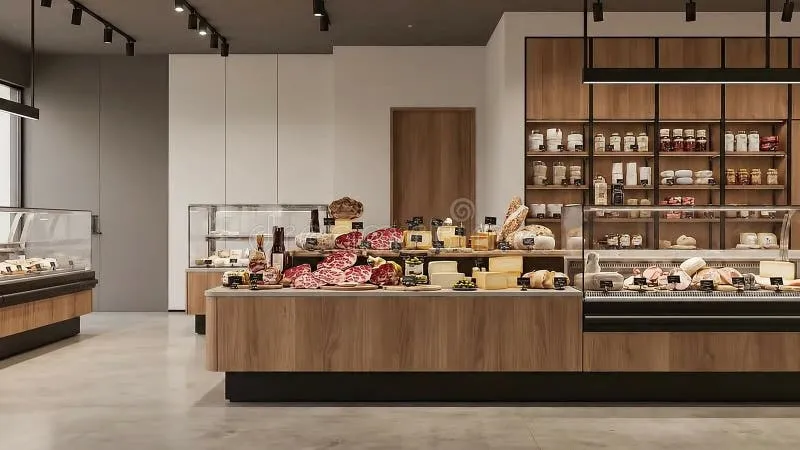
Photo: independent deli counter charcuterie cheese shop interior UK, via thumbs.dreamstime.com
There was a time, not so long ago, when the British delicatessen seemed an endangered species. Squeezed by the multiples, undercut by discounters and out-marketed by meal deals, the independent deli appeared destined for nostalgic memory — a relic of continental holidays and Saturday morning indulgence.
And yet. Walk through Bristol's Wapping Wharf, browse the shelves of a Marylebone institution or queue at a weekend counter in Stockbridge, and you will find something remarkable: the British deli is not merely surviving. It is thriving.
From Margins to Mainstream
The deli's evolution in this country tells a broader story about how we eat. The delis of the 1980s and 1990s were, by and large, gateways to elsewhere — purveyors of olive oil, parma ham and sun-dried tomatoes, trading on a sense of Mediterranean glamour. They were, in their way, an education.
Today's delis have flipped that narrative. The exotic is now the local; the provenance story begins not in Tuscany but in Somerset, Suffolk and the Yorkshire Dales. The modern British deli stocks raw milk Cheddar from three miles down the road alongside a small-batch salami made in a converted barn. The romance of the artisan has come home.
Surviving the Supermarket
It would be disingenuous to pretend the odds were ever fair. Supermarkets can sell a wedge of brie for less than a deli pays wholesale. The delis that have endured — and flourished — have done so by refusing to compete on the same terms.
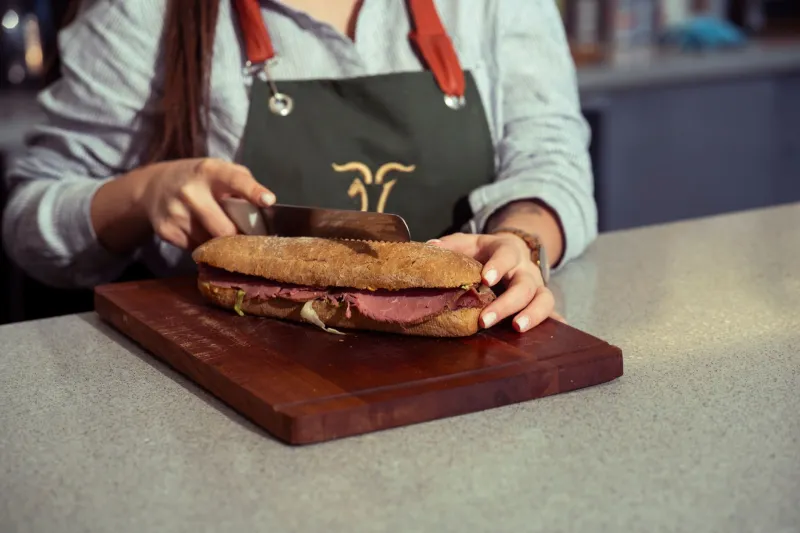
Speak to owners across the country and a common philosophy emerges: the deli sells something no supermarket can. Not merely products, but knowledge, conversation, curation. You do not queue at a deli counter to save money. You queue to be told which cheese will behave best on a summer picnic, which chutney to pair with your Christmas ham, and why the producer down the road has had a difficult year.
That human expertise is the deli's unassailable advantage — and, increasingly, it is what shoppers say they have been missing.
The Shift Towards Quality Over Quantity
Underpinning all of this is a cultural recalibration. After years of convenience dominating the grocery landscape, there is discernible appetite for shopping that is slower, more deliberate, more pleasurable. The pandemic, whatever else it disrupted, reminded many of us that food is not merely fuel.
The numbers bear this out. Independent food retail has seen steady growth, with delis, farm shops and specialist grocers outperforming expectations. Consumers are reading labels, asking about animal welfare, and — crucially — willing to pay more for products with genuine provenance.
What Comes Next
The challenge for the modern deli is to convert sentiment into habit. The romance of the Saturday morning counter visit must survive the realities of Tuesday evening exhaustion. Many delis are meeting this through delivery services, subscription boxes and ready-to-eat counters — extending the deli's reach without diluting its ethos.
But at its heart, the British deli's moment rests on something more durable than trend. It rests on the conviction that food should be traced to its source, purchased with care and eaten with pleasure. In a country that once led the world in industrialised eating, that conviction now feels quietly radical.
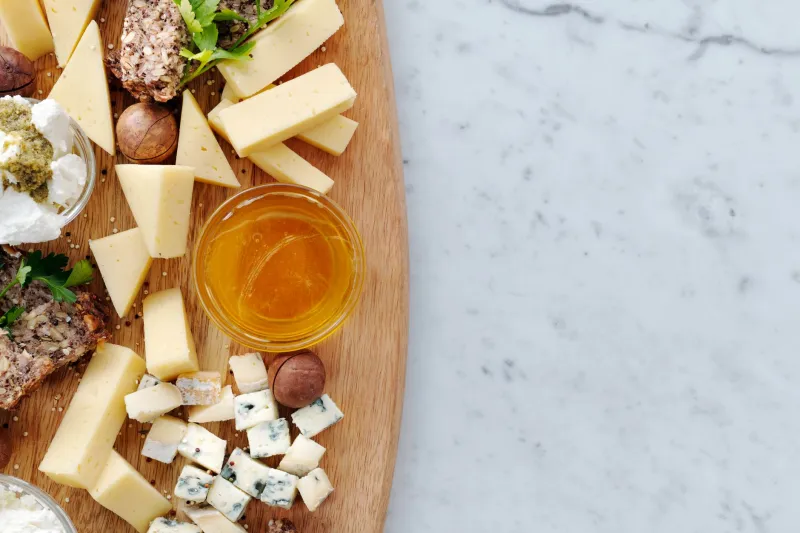
The rebellion, it turns out, is served on a wooden board with a slice of Bath Oatcake on the side.