Twelve Pounds of Justice: In Defence of Britain's Extravagant Deli Sandwich
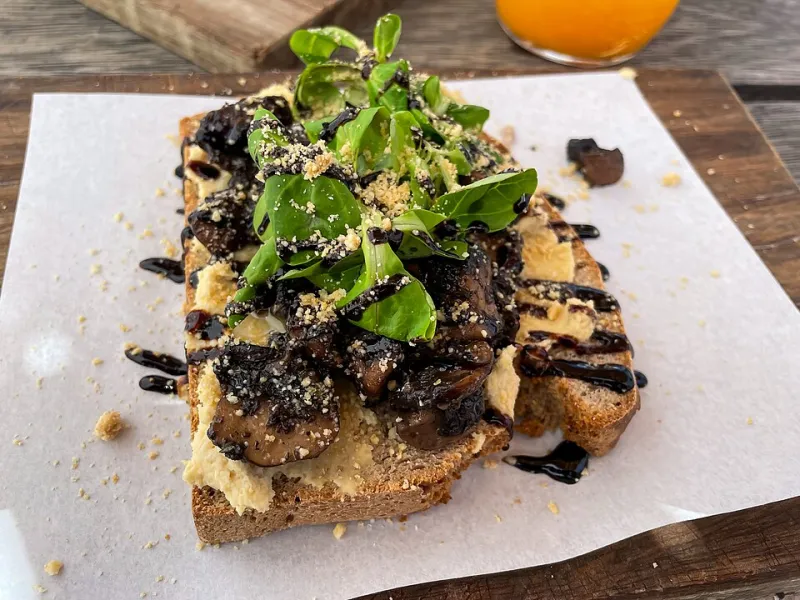
Photo: Photograph by Mike Peel (www.mikepeel.net)., CC BY-SA 4.0, via Wikimedia Commons
There was a time when a sandwich was a sandwich: two slices of soft white bread, a scraping of butter, perhaps a slice of ham if fortune smiled. Today, in the glass-fronted cabinets of Britain's better delis, you will find something rather different — a sourdough loaf baked before dawn, layered with 24-month Comté, house-pickled onions and a smear of aioli made that morning. The price on the ticket reads £12, and a quiet national debate has ensued.
Is this the death of the working lunch, or its finest hour?
The Anatomy of a Modern Sarnie
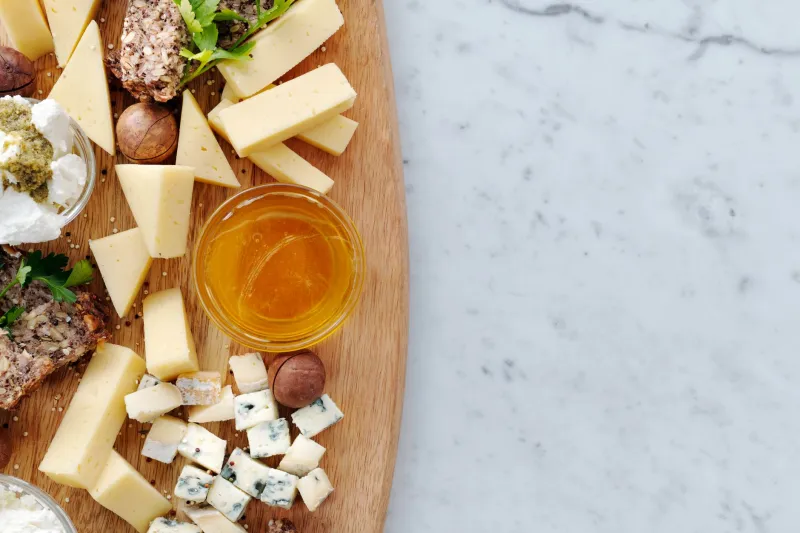
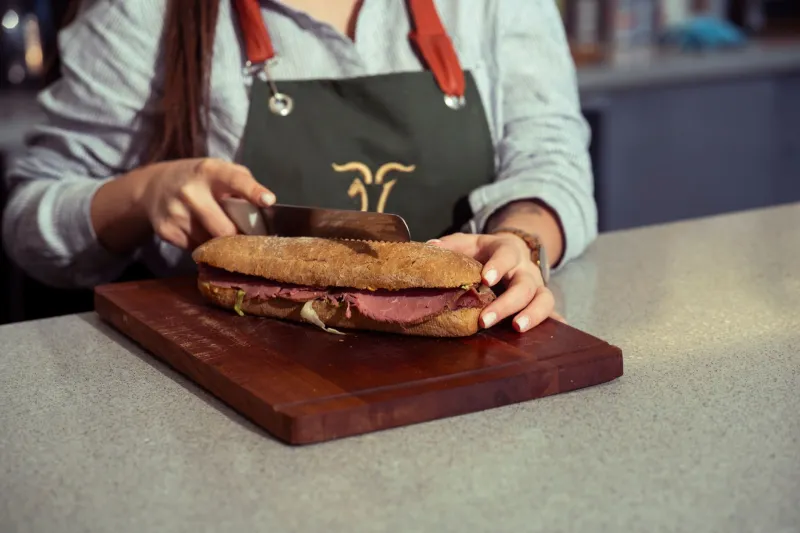
Strip away the sneering and examine what actually sits between those slices. The bread alone — a properly fermented sourdough or a milk loaf from the bakery two doors down — represents hours of proving and decades of craft. The cheese is not a processed square but a wheel cut to order. The pickles were jarred in the back kitchen, the leaves grown forty miles away, the mayonnaise whisked by hand.
Compare this to the sad triangle in the meal-deal chiller, engineered for shelf life rather than pleasure, and the £12 begins to look less like inflation and more like arithmetic. You are not paying for bread and filling. You are paying for provenance, labour and someone's refusal to compromise.
Luxury, Honestly Priced
Britain has grown comfortable with £6 flat whites and £9 pints in the right postcodes, yet the expensive sandwich still provokes a peculiar national discomfort. Perhaps because lunch is meant to be modest — fuel, not ceremony. But there is an argument that the deli sandwich is the most honest luxury we have. No branding, no ambiance, no DJ. Just ingredients, assembled with care, consumed within the hour.
A tasting menu hides its labour behind theatre. A designer handbag hides its margin behind a logo. The £12 sandwich stands naked on a wooden board and says: this is what good food actually costs.
There is something rather British about the ritual, too. The queue at the counter. The negotiation with oneself over the pickle. The walk back to the office with a paper-wrapped parcel still warm from the press. It is indulgence fitted into a lunch hour — democracy of a sort, available to anyone willing to queue.
The Case Against — and Why It Mostly Fails
The objections are familiar. Bread is cheap. Fillings are cheap. Why should lunch cost the same as a takeaway supper? But this reasoning assumes the sandwich is defined by its components rather than its craft. A chef's wage, a morning's baking, a season of pickling — these are not line items on a supermarket spreadsheet.
And for those genuinely priced out, the answer is not cheaper sandwiches but better sandwiches at home. Which is entirely achievable.
Building the Deli Sandwich at Home
The good news: with a modest shopping list and thirty minutes, you can produce something worthy of the cabinet — at a fraction of the price.
1. Start with the bread, not the filling. A sandwich is a building; bread is its foundations. Buy from a proper bakery that morning, or bake a simple focaccia yourself. Never refrigerate it.
2. Choose one hero. Every great sandwich has a centrepiece — thick-cut ham hock, a slab of aged Comté, rare roast beef, salted anchovies (yes, really). Build around it; do not crowd it.
3. Pickle something. Thinly sliced red onion in cider vinegar with a pinch of sugar and salt takes ten minutes and transforms everything it touches. A jar in the fridge lasts weeks and costs pennies.
4. Make your spread. Aioli, mustard mayonnaise, whipped butter with herbs — two minutes with a whisk beats anything from a squeezy bottle.
5. Season every layer. Salt and pepper the tomatoes. Dress the leaves. A sandwich, like any dish, is seasoned as it is built.
6. Press or rest. Five minutes under a weighted plate or a hot pan melds the layers. Patience, as ever, is the difference between lunch and lunchtime.
The total? Perhaps £4 a head, with pickles and aioli left over for the week. The pleasure? Remarkably close to the real thing.
The Verdict
The £12 sandwich is not a scandal. It is a mirror — showing us what we claim to want: real ingredients, skilled hands, food made close to home. If that costs twelve pounds, so be it. And if it doesn't, the sourdough, the pickled onions and the whisk are waiting in your own kitchen.
Either way, the humble sarnie has never deserved more respect.