Cold Collations and Clear Consciences: Why Britain's Evening Belongs to the Ploughman's Table

Photo: ploughman's lunch board with cheese, ham, pickles and cider on rustic wooden table, via m.gjcdn.net
There is a peculiar modesty in the way Britain eats after five o'clock. We have absorbed the aperitivo with its Aperol and its olives, adopted the tapas crawl, even flirted with the Nordic smörgåsbord. Yet we persist in overlooking the one evening ritual that is entirely, unmistakably ours: the ploughman-style supper, that generous cold spread of bread, cheese, pickle and charcuterie laid out on a board and dismantled slowly over an hour or two of good conversation.
It is time we gave it the reverence it deserves.
A Supper Older Than the Menu
The cold collation has deep roots in these islands. Long before restaurants standardised the three-course evening, households across Britain sat down to 'collations' — informal spreads of cold meats, cheese, bread and preserves, assembled from the larder rather than cooked to order. The word itself, from the Latin collatio, originally referred to a light meal shared among companions, and that spirit of unhurried conviviality is precisely what modern evenings lack.
The ploughman's lunch, as the pubs branded it in the 1960s and 70s, was partly a marketing invention — a convenient fiction of rural nostalgia. But the fiction pointed at something real. Bread, cheese and pickle is not a gimmick; it is a complete, balanced and deeply satisfying way of eating, refined over centuries of agricultural practicality. The field worker's lunch and the drawing-room cold supper were cousins, separated by linen napkins and nothing more.
What the Italians understood about the aperitivo — that eating should be social, grazing, undemanding — we have always practised, only with chutney instead of giardiniera and a pint of cider instead of a spritz. We simply never thought to celebrate it.
Why the Cold Spread Suits Us
Consider the practicalities. A British evening, for much of the year, is a cool and dimming affair. Nobody truly craves a chilled gazpacho in November, and yet the cold collation is not about temperature so much as temperament: food that asks nothing of the cook and everything of the ingredients. When your Cheddar is cloth-bound and properly matured, your ham is air-dried over smouldering oak and your pickle has had six months in the jar, cooking would only get in the way.
There is an economy to it, too, and not merely a financial one. A good spread uses what the larder already holds — the tail end of a wedge, the last spoonful of piccalilli, a heel of sourdough destined for toast. It is the anti-anxiety supper. No timing, no resting, no last-minute panic at the hob.
The Blueprint: Assembling the Board
A ploughman-style supper succeeds on structure rather than skill. Think of it in four movements.
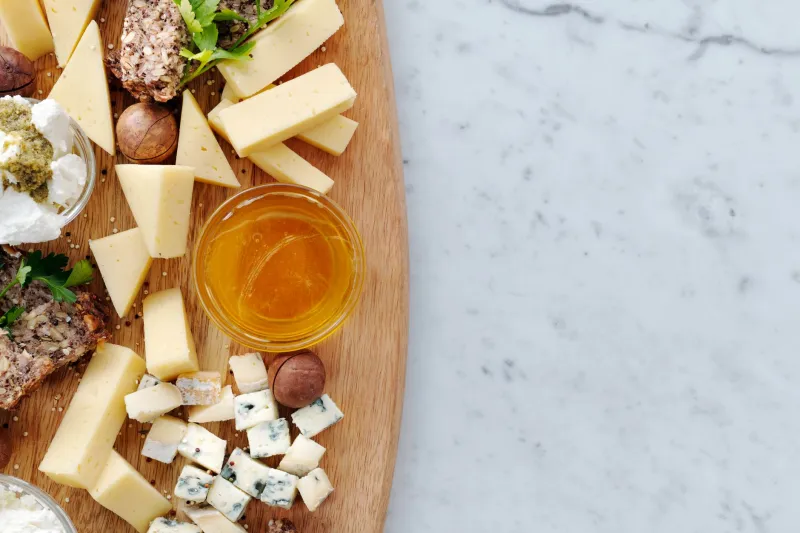
The anchor. One or two cheeses, chosen for contrast rather than quantity. A crumbly, tangy blue against a firm, nutty aged Cheddar covers most of the board's emotional range. Add a soft goat's cheese if the company is worth impressing.
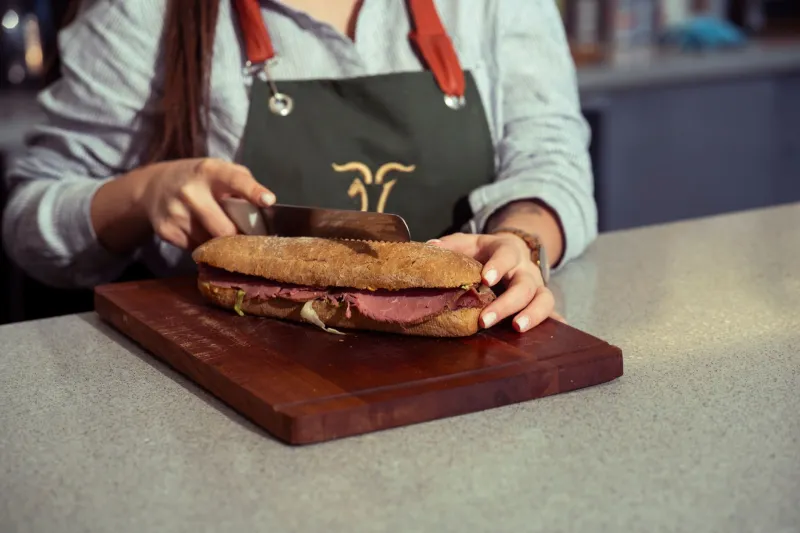
The protein. Cold sliced ham, a slab of pork pie, or — increasingly — British charcuterie: air-dried salami, cured chorizo-style sausages from the Welsh marches, coppa from the Scottish borders. The revival of our own curing tradition means the board need no longer borrow from Parma.
The sharp notes. This is where British preserves excel. A fierce pickled onion, a spoonful of branston-style chutney, sliced pickled beetroot, an apple — yes, a whole apple, unpeeled. The acidity is not a garnish; it is the engine that keeps the palate going.
The bread. A proper loaf, torn rather than sliced, ideally with a crust that fights back. Butter, salted and cold, in a dish rather than a packet.
Lay it all on one large board — communal, not plated — and let people fend for themselves. The slight anarchy is the point.
What to Pour
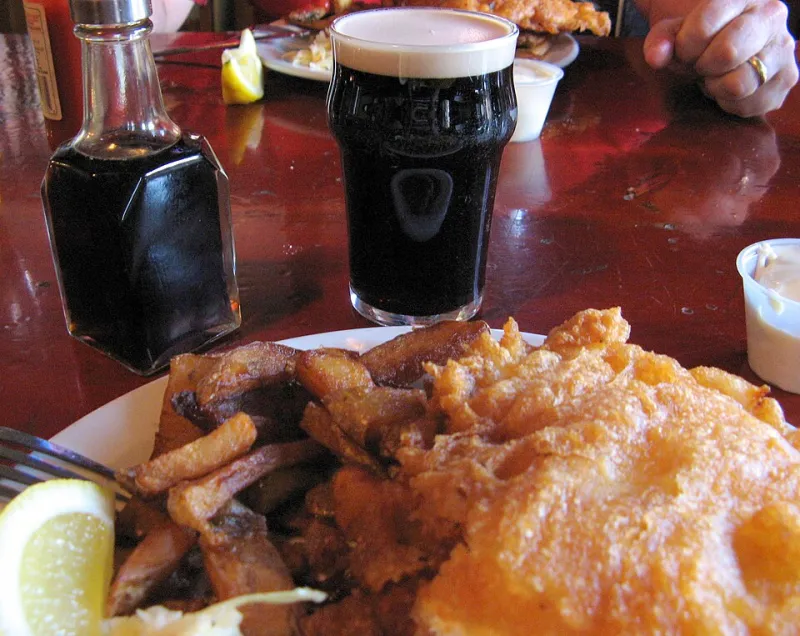
The aperitivo has its bitter spritz; the ploughman's table has something older and, frankly, better matched. British cider, dry and still, is the canonical choice — its orchard acidity cutting through fat and salt with the precision of a good vermouth. Seek out a single-varietal bottle from Somerset or Herefordshire and serve it cool, not cold.
Perry, made from perry pears, deserves equal billing: delicate, faintly tannic and startlingly food-friendly, particularly alongside softer cheeses. For the wine-inclined, an English Bacchus with its hedgerow aromatics handles chutney and Cheddar alike, while a local pale ale remains the honest, unimprovable fallback.
The Case for Reclamation
Borrowing an evening ritual from the Mediterranean is rather like importing sunshine: pleasant, but ultimately out of step with where we live. The cold collation is ours — shaped by our larders, our orchards, our climate and our particular talent for preserving things in vinegar. It requires no passport, no pronunciation and no pretence.
So this weekend, skip the reservation. Assemble the board, open the cider, and eat the way Britain has always known how: cold, generous and entirely without hurry.