Brine and Punishment: How Pickles Went From Pub Jar to Deli Darling
Photo: Fumikas Sagisavas, CC0, via Wikimedia Commons
Every British kitchen harbours one. A drawer, a shelf, perhaps an entire cupboard corner devoted to half-finished jars: pickled onions from a Christmas hamper, a gherkin bought for one burger and never revisited, something in brine whose label has surrendered to the vinegar's slow, amber stain. We are, as a nation, terrible at finishing pickles and yet constitutionally incapable of buying fewer.
And yet. Wander any good deli counter from Ludlow to Lewes and you'll notice the pickle drawer has been promoted. Those orphaned jars have become a curated shelf — pickled walnuts in spiced malt vinegar, shallots the colour of late autumn, chicory and fennel preserved in wine vinegar with a precision that borders on the surgical. Britain's pickling tradition, long dismissed as the preserve of greengrocers and grandmothers, is having its moment.
A Foreign Affair, On Home Soil
Start with piccalilli and you start with an argument. The mustard-yellow medley of cauliflower, onion and gherkin that anchors any decent ploughman's lunch is not, strictly speaking, British at all. Its ancestors travelled from India — achar, the subcontinent's great pickling tradition — through trade routes and colonial kitchens, arriving in Georgian Britain as 'paco-lilla' before settling into its current, cheerfully garish form.
This is worth remembering as we celebrate the revival: British pickling has always been a mongrel art. The Romans brought vinegar vegetables to these shores two millennia ago. The Dutch traded pickled cabbage across the North Sea. Even the pickled walnut, that most apparently English of delicacies, is a technique refined through centuries of trade and taste. Our pickle drawer is, in truth, a museum of immigration — and all the better for it.
The Makers Keeping the Brine Alive
The new generation of British picklers is a small but devoted cohort. Small-batch producers in the West Country are fermenting heritage carrots in cider vinegar from neighbouring orchards. In Yorkshire, one maker's pickled shallots — steeped in malt vinegar with black peppercorn and a whisper of mace — have become something of a cult item among cheesemongers, who order them by the case for their Christmas counters.
What unites them is a philosophy of restraint. The modern British pickle is less about aggression than balance: vinegar with enough acidity to cut, but enough sugar and spice to converse. 'You're not trying to blind someone,' as one Somerset producer puts it. 'You're trying to make them reach for the cheese again.'
It is a philosophy echoed in the restaurant kitchens of London and Manchester, where pickled chicory appears alongside rich terrines, and where a spoonful of fermented fennel is treated with the respect once reserved for a good relish.
Why Sharp Matters
But the real case for the pickle is domestic, and it rests on a single truth: every good cheese toastie starts with something sharp on the side.
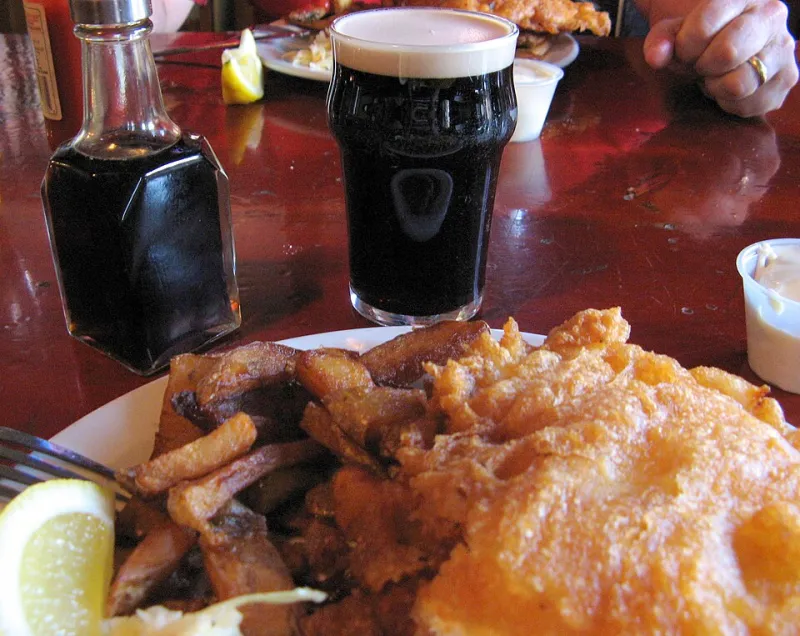
Consider the physics. A toastie is an exercise in richness — butter, bread, molten cheese, often all three at their most indulgent. Without acid, the palate fatigues by the third bite. With it, each mouthful resets; the sharpness slices through the fat and makes the next bite as compelling as the first. This is why the French serve cornichons with raclette, why the Germans pair sauerkraut with their sausages, and why the British ploughman's lunch — that pub-menu institution — has always understood that a fistful of pickle is not garnish but essential engineering.
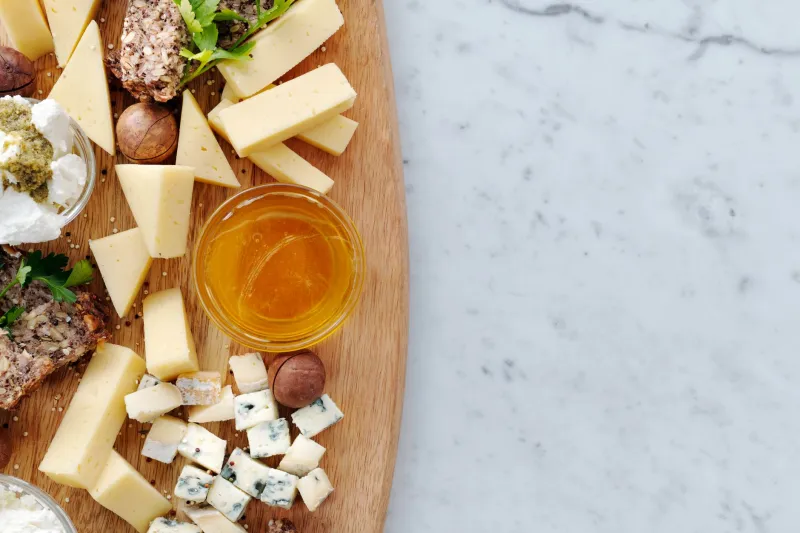
The pairing possibilities are, frankly, delicious. Pickled walnuts and a mature Cheddar is a pairing old enough to feel like heritage and fresh enough to feel like discovery. Sharp shallots against the buttery weight of a good Lancashire. A spoon of piccalilli beside a slice of Lincolnshire Poacher, the mustard heat and turmeric tang playing beautifully against the cheese's crystalline bite.
The Drawer, Reconsidered
None of which means the nation's pickle drawers are suddenly going to empty themselves. But perhaps the revival offers a gentler framing: those half-finished jars are not evidence of failure but of habit — a small, sharp tradition we keep returning to, even when we forget to finish it.
Buy better pickles, and the drawer empties itself. That, surely, is the most delicious kind of progress.