Jar Culture: Why Your Autumn Belongs to the Preserving Pan
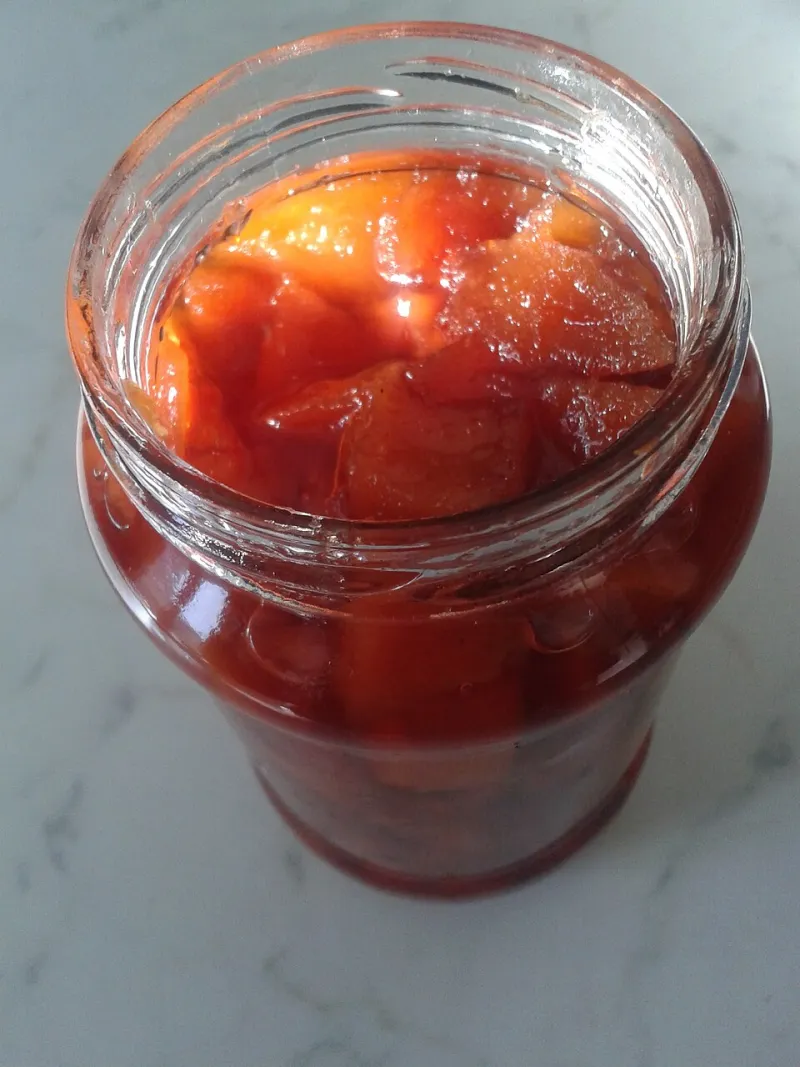
Photo: E4024, CC BY-SA 4.0, via Wikimedia Commons
Let us make an unfashionable argument: the most radical thing you can do this autumn is not buy anything new.
Not a spiraliser, not a smart sous-vide wand, not whatever the algorithm is currently pushing. Instead, buy a kilo of sloes, a bag of preserving sugar and a case of Kilner jars — and reclaim a skill that your great-grandmother considered basic housekeeping and we now treat as a personality trait.
The seasonal larder is having a moment, and deservedly so. In a food culture obsessed with speed and novelty, the act of preserving is quietly countercultural: it insists that autumn's abundance is worth keeping, that time is an ingredient, and that a shelf of glowing jars is a more honest luxury than anything with a subscription fee.
The Larder as a Philosophy
There is a nostalgia to preserving, certainly — the evocation of a kitchen steaming with vinegar and spice, of grandmothers with forearms of steel. But the modern larder is not an exercise in rustic cosplay. It is a practical response to a genuine problem: British autumn produces a staggering glut of hedgerow fruit, windfall apples, green tomatoes and wild plums, most of which ends up rotting unpicked.
A jar of pickled walnuts or a bottle of hedgerow cordial is, in its way, a small act of defiance against that waste. It also happens to be delicious.
Project One: Sloe Gin, the Patient Classic
No autumn larder is complete without it, and no recipe could be simpler. Prick 500g of sloes (a quick spell in the freezer works just as well), add to a large jar with 250g of caster sugar and a litre of decent — not extravagant — gin. Seal, shake daily for the first week, then forget about it in a dark cupboard until Christmas.
The result, after patient decanting through muslin, is a deep crimson liqueur that tastes of black cherry, almond and the whole idea of winter. Homemade sloe gin also makes a genuinely superior gift — and unlike most homemade gifts, nobody will pretend to like it.
Project Two: Pickled Walnuts for the Truly Committed
Pickled walnuts are the larder's great flex: a Victorian staple that vanished from modern tables for no good reason. The catch is timing — the walnuts must be harvested green, before the shell forms, typically in late June. Miss the window and you'll need to forage a friendly greengrocer or plan ahead for next year.
If you have them: brine the green walnuts for two weeks, dry them until black, then submerge in spiced malt vinegar with cloves, allspice and a bay leaf. Left for a month or more, they become intensely savoury — astonishing with cold beef, strong cheddar, or crumbled over a winter salad. They are, in short, the condiment equivalent of a well-aged cheese: worth the wait and then some.
Project Three: Hedgerow Cordial, the Weekend Win
For the impatient, start here. Simmer 1kg of mixed hedgerow berries — hawthorn, blackberries, elderberries (cooked, always cooked), rosehips — with 500ml of water until collapsing, then strain through muslin. Add 300g of sugar per 500ml of juice, heat briefly to dissolve, and bottle.
Diluted with sparkling water, it is a revelation; splashed into a whisky glass on a cold evening, it is a small act of self-care. It keeps for weeks in the fridge, or longer if you sterilise the bottles properly.
Start Small, Start Now
The beginner's mistake is ambition: the forty-jar chutney operation that ends in mould and regret. Start with three jars, not thirty. Follow a tested recipe the first time. Sterilise everything — a hot oven or a dishwasher cycle will do. And label your jars, because January-you will not remember what October-you bottled.
A larder is not built in a weekend. It is built slowly, jar by jar, autumn by autumn, until one day you open the cupboard and realise you have something rare: a pantry that tastes of the season, kept. That, surely, is the whole point of eating well.