Salt, Patience and a Little Fish: Why the Anchovy Deserves Another Look
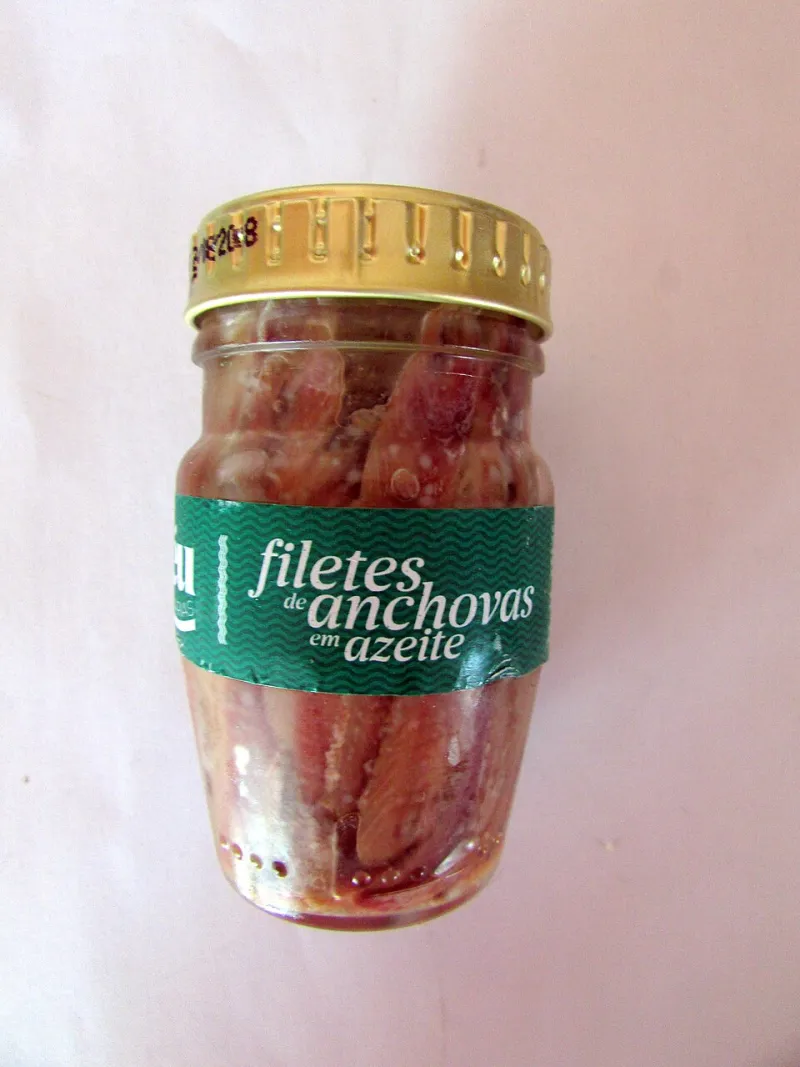
Photo: Kolforn (Kolforn) I'd appreciate if you could mail me ([email protected]) if you want to use this picture out of the Wikimedia project scope. This file is licensed under the Creative Commons Attribution-Share Alike 4.0 International license. Yo
There are few ingredients capable of clearing a dinner party conversation quite like the anchovy. Mention it at the cheese counter and you will witness a nation divided: half the room sighs with anticipation, the other half recoils with a memory of school-cafeteria pizza. And yet, in the kitchens of Britain's finest restaurants and on the shelves of its most discerning delicatessens, the anchovy has never gone away. It didn't need to. It simply waited for the rest of us to catch up.
A Fish Out of Fashion — and Back Again
The anchovy's fall from grace is a curious chapter in British food history. During the 1980s, the little salt-cured fillet was everywhere: draped across toast at cocktail parties, scattered over salads, folded into the era's enthusiasm for continental flair. But much of what passed for anchovy then was a pale imitation — thin, metallic, aggressively salty, and sold in tins of questionable provenance. The fish was blamed for sins committed by its packaging.
What the doubters forget is that the anchovy is not really a fish at all, in culinary terms. It is a seasoning. A condiment with fins. Like soy sauce, fish sauce or aged parmesan, its purpose is not to taste of itself but to make everything around it taste more of itself. A good anchovy does not announce salt; it announces depth. It is umami, bottled in brine.
The Anatomy of a Good Fillet
Not all anchovies are created equal, and this is where the reluctant convert's journey must begin. The mass-market tins that blighted our collective memory are a world away from what a proper delicatessen stocks.
Look for fillets preserved in olive oil, ideally from the Cantabrian coast of northern Spain or the Sicilian waters around the Aeolian Islands. Cantabrian anchovies — anchoas del Cantábrico — are the connoisseur's choice: plump, firm, and gently salty, with a whisper of the sea rather than a slap. Sicilian fillets, often packed under salt rather than oil, reward patience with a rounder, richer flavour.
The colour should be a warm amber-brown, not a greyish pallor. The flesh should hold together. And the ingredient list should be short enough to memorise: fish, salt, oil. Nothing else.
Brown Butter, Warm Toast, and Other Acts of Persuasion
The most reliable way to win over an anchovy sceptic is to hide the evidence — or rather, to dissolve it. Melt a few fillets into brown butter until they disappear entirely, then spoon the resulting elixir over roasted cauliflower or a grilled chop, and watch even the most committed objector ask for seconds. They will never know what happened. They will simply know it was delicious.
Other quiet victories:
- Anchovy butter: Pound fillets with softened butter, a squeeze of lemon and a little parsley. Chill, slice, and serve with warm sourdough.
- The dressing trick: Dissolve two fillets into your vinaigrette before adding vinegar. The salad tastes fuller; nobody asks why.
- Toast, properly done: Rub garlic over hot toast, lay on fillets at room temperature, finish with lemon zest and cracked pepper. This is not an 1980s canapé. This is lunch.
- The braise: Melted at the start of a lamb or beef braise, anchovies vanish into the sauce, leaving only savoury depth behind.
A Word on the Cheese Board
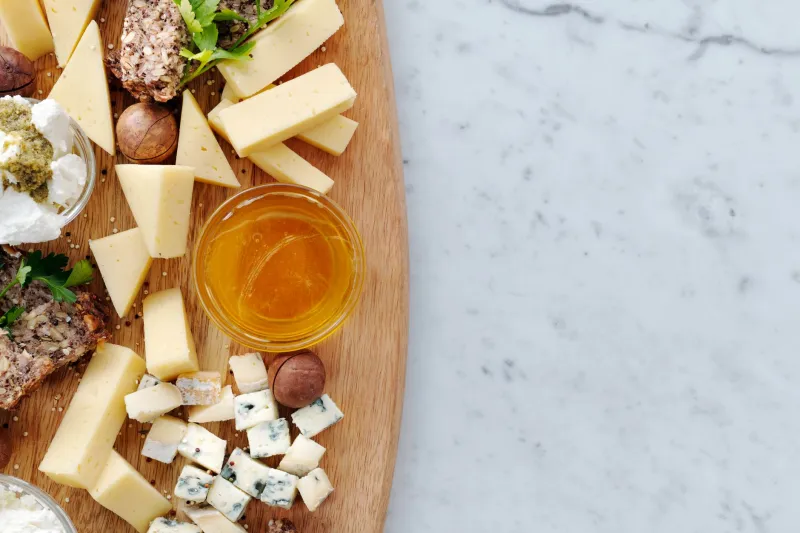
Here the Delikate faithful may raise an eyebrow, but bear with us: anchovies and cheese are natural companions, particularly with the harder, crumblier county cheeses of Britain. A mature Lancashire or a nutty Lincolnshire Poacher, with its crystalline crunch and grassy depth, meets the anchovy's saline intensity as a fine sherry meets a salted almond. Add a smear of butter and a slice of brown bread, and you have quietly reinvented the ploughman's lunch for the adventurous.
For the truly hesitant, begin with a shaving of aged cheddar alongside a single fillet on a water biscuit. The cheese rounds the salt; the salt lifts the cheese. Conversion, we find, is usually complete within the hour.
In Defence of a Small, Brave Fish
There is also a broader argument to make. Anchovies are one of the most sustainable fish we can eat — abundant, fast-growing, and low on the food chain. A little goes a very long way, which makes them a model of the kind of cooking we should all be practising: intense flavour, minimal waste.
So the next time a recipe calls for two fillets, resist the urge to omit them. That small, salt-cured fish is not an intrusion. It is the reason the dish works. Britain's most divisive little fish, it turns out, was never the problem. The problem was that we weren't listening.