The Wedge Rush: Inside Britain's Autumn Scramble for the Perfect Christmas Cheese
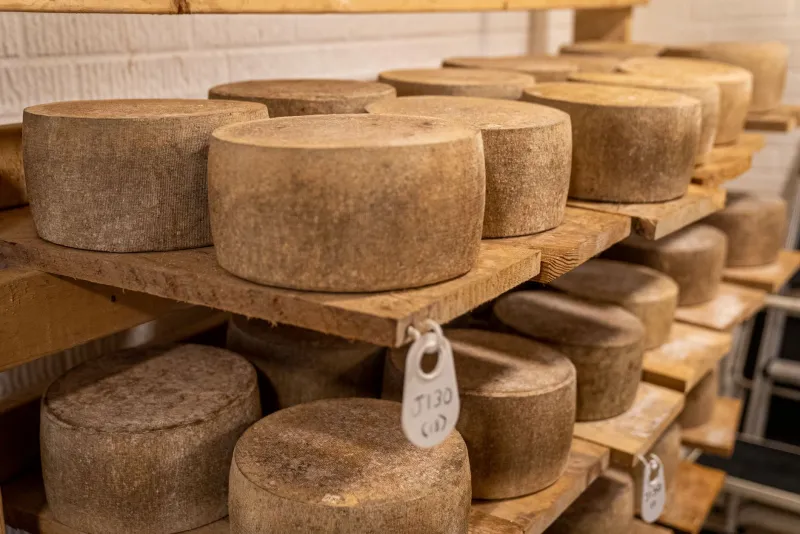
There is a moment, usually in early October, when the telephone at a well-run British affineur's office begins to ring with a particular urgency. It is not Father Christmas making his enquiries. It is the head buyer of a London delicatessen, a Yorkshire farm shop and a Cotswolds hotel restaurant, all asking the same question: how many wheels of the washed-rind have you kept back for us this year?
The answer, more often than anyone would like to admit, is fewer than they need. Britain's Christmas cheese trade has quietly become a matter of years, not weeks, and those who understand the calendar are already sitting comfortably.
A Board No Longer Left to Chance
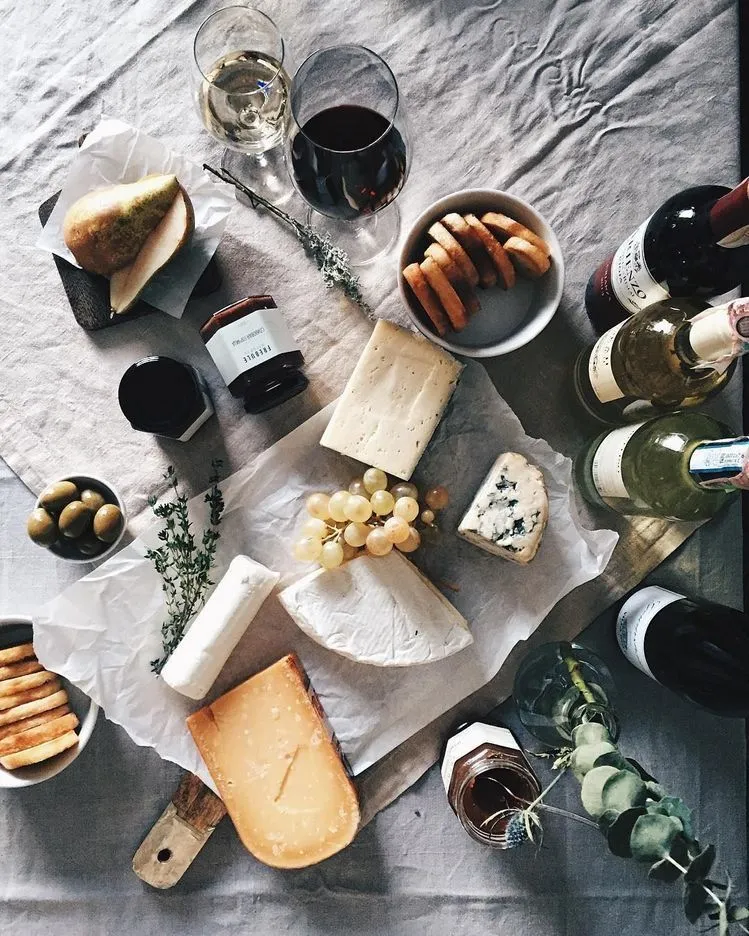
There was a time, not so long ago, when the festive cheeseboard was an afterthought — a supermarket truckle, a box of biscuits, perhaps some grapes arranged with more optimism than skill. The cheddar would sit beside a brie that had seen better days, and nobody thought very much about it.
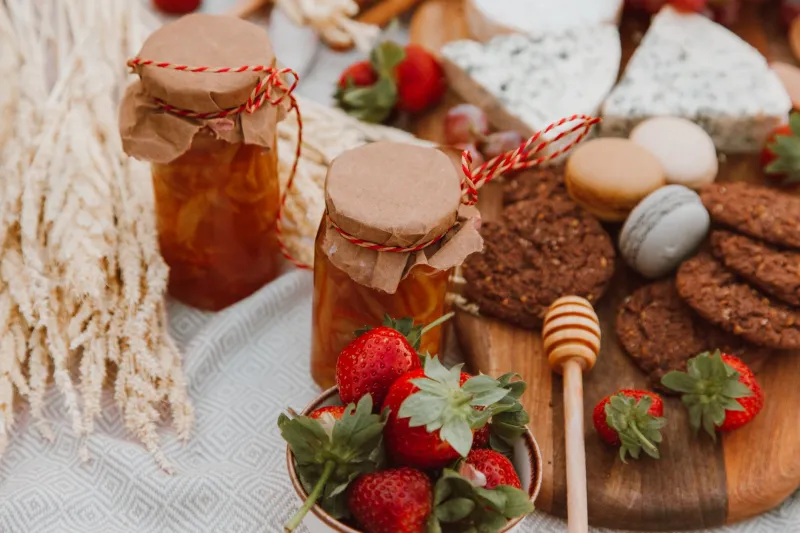
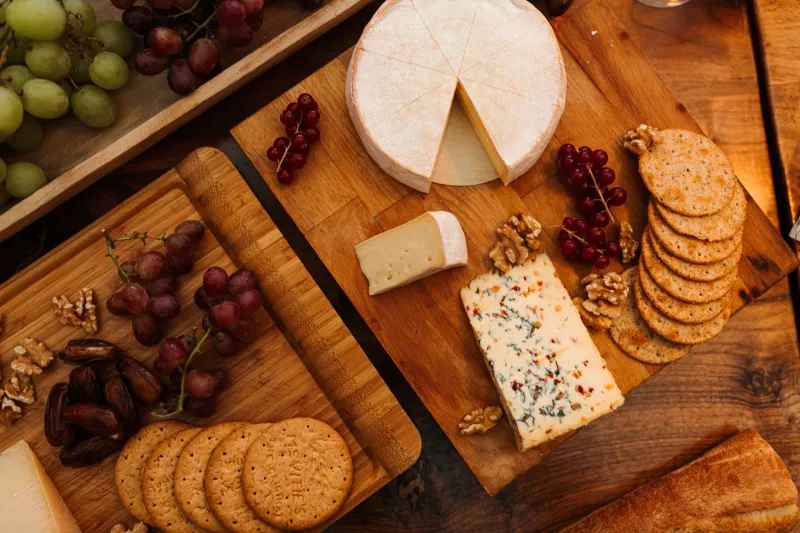
That era is over. Today's Christmas board is curated with the seriousness of a wine list. The centrepiece might be a cloth-bound wheel matured specifically for December; the supporting cast a Vacherin-style Mont d'Or cousin from an Alpine-influenced British creamery, a punchy blue whose season barely extends beyond the festive weeks, and a washed-rind whose pungency has been coaxed along in a cave since spring.
The transformation is partly a matter of taste, partly of supply. The finest British cheeses are no longer made in vast, endlessly available quantities. Small creameries produce what their milk allows, and their milk allows what the seasons dictate. A blue made with autumn milk cannot simply be conjured in December. It must be planned for in the spring, matured through the summer, and sold — often before it has finished turning — to those who asked early enough.
The Affineur's Long Game
Speak to the cheese maturers who supply the country's best counters and a pattern emerges: Christmas is decided, in practical terms, by midsummer. Wheels destined for the festive board are selected in the spring, turned and brushed through the summer, and moved to the coldest corners of the cave as autumn arrives so that they peak, precisely, in the third week of December.
This is microbial terroir in the truest sense. The rinds, the blues, the bloomy whites — all are living cultures, and all respond to temperature, humidity and time. A washed-rind destined for Christmas Day cannot be hurried. Rush the wash and the rind tightens; delay it and the cheese collapses into a puddle before the crackers are out. The craft lies in hitting a window of perhaps ten days — the window, as it happens, that contains the most indulgent eating occasion of the British year.
It is why the trade has developed a certain gallows humour about the customer who arrives on the 23rd asking for the cheese they read about in a magazine. That cheese was allocated in July.
The Buyer's Calendar
For those who take their festive cheese seriously — and the numbers suggest ever more of us do — the strategy is straightforward, if unglamorous.
September is for research. The season's new releases and limited maturations are announced around now, and the rarest go quickly. If a creamery offers a Christmas allocation, take it.
October is for commitment. Reserve your washed-rinds and long-matured wheels with a good cheesemonger. A deposit secures more than cheese; it secures a relationship, and relationships in this trade are rewarded with the wheels that never make the counter.
November is for the blues. Stilton and its kin are at their best from late November onwards, and the finest examples — made by hand, turned by hand, sold by hand — disappear fast. Order for delivery in the first week of December.
December is for the soft and the perishable. Vacherin-style cheeses, bries and camemberts should be bought no more than a week before eating, and brought to room temperature on the morning of the day itself. A cheese served cold from the fridge is a cheese only half met.
A Season Worth Planning For
There is something fitting in all this. Christmas is the one occasion on the British calendar when the whole household gathers around a single table, and the cheeseboard is often the last thing standing at the end of the night — lingered over, argued about, picked at until the candles gutter.
It deserves better than an afterthought. And the affineurs, the maturers and the small creameries who plan their year around our December appetite have made it easier than ever to give the board the attention it merits. The only requirement is that we, like them, think about Christmas in the autumn.
The caves, after all, are already booked.