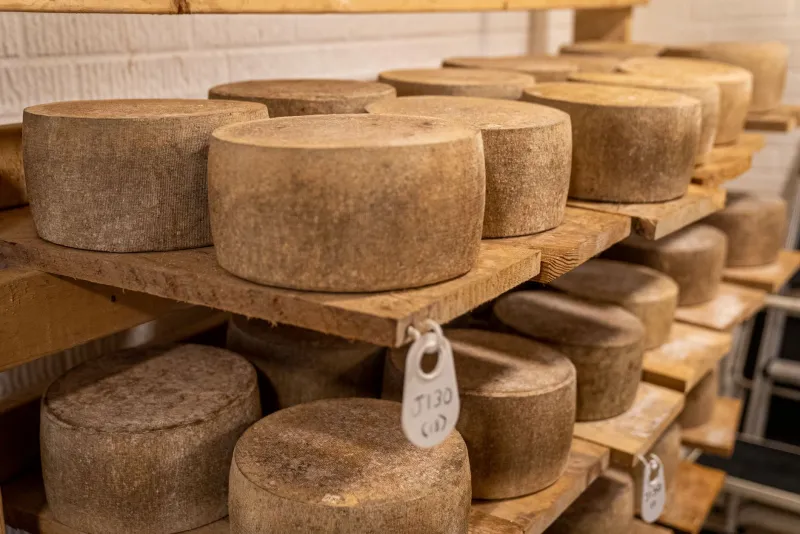
Stop Bin-Worthy Behaviour: Seven Brilliant Uses for the Cheese Rind You're Throwing Away
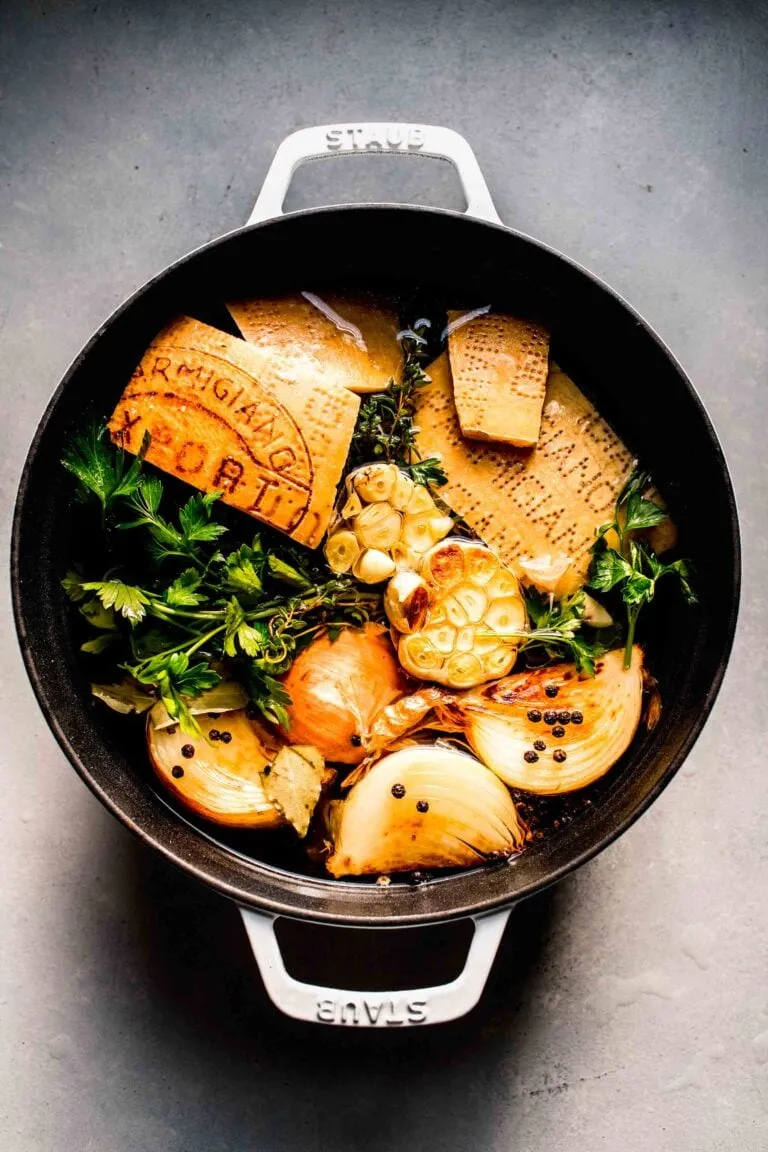
Photo: parmesan cheese rind in pot making broth rustic kitchen, via www.platingsandpairings.com
Let us begin with a confession. Somewhere in your fridge right now sits a rind — perhaps the leathery husk of a Parmesan, the bloomy white coat of a Brie — destined for the bin. This is, we would argue, nothing short of a small culinary tragedy. The rind is not packaging. It is not waste. It is concentrated flavour, patiently developed over months of affinage, and throwing it away is the mark of an amateur. Here is how to redeem yourself.
1. The Parmesan Broth That Changes Everything
The classic move, and deservedly so. Pop a dried Parmesan rind into a pot with water or stock, a bay leaf, a few peppercorns and a strip of lemon zest. Simmer gently for forty minutes and you will have a broth so deeply savoury it borders on the unctuous — the backbone of a superb minestrone, a risotto base, or simply a restorative bowl on its own with a handful of small pasta shapes. Keep a bag of rinds in the freezer for exactly this purpose.
2. Brie Rind Crisps
This one may raise eyebrows, but trust us. Cut the white rind from a wedge of Brie or Camembert, brush lightly with oil, and bake at high heat for a few minutes until golden and blistered. The result is a crisp, molten-edged crisp — rather like a cheese crouton — that is dangerously good with a glass of something sparkling. A word of warning: make more than you think you need.
3. Infuse Your Oils and Creams
A clean, wax-free rind dropped into a jar of good olive oil, or simmered briefly in double cream before making a sauce, lends a subtle, nutty depth that is difficult to achieve any other way. Strain before use. This technique works beautifully with aged hard cheeses such as Lincolnshire Poacher or an old Montgomery Cheddar.
4. The Secret Weapon in Soups and Stews
Add a rind to lentil soup, bean stews, or a ribollita and you will notice the difference immediately — a rounded, savoury undertone that makes the dish taste as though it has been simmering for hours longer than it has. Remove the rind before serving (though honestly, there are worse fates than eating it, softened and swollen with broth).
5. Rind-Infused Butter
Soften a block of good salted butter, grate in a small amount of clean hard-cheese rind, mix thoroughly, and chill. Spread on hot toast, melt over new potatoes, or finish a steak with it. This is the sort of trick that separates the competent home cook from the truly devoted.
6. A Crouton's Finest Companion
Grate a dried rind over soups and salads as you would the cheese itself. Once fully dried, the rind grates remarkably well and carries the same flavour, at no additional cost. Sprinkle over roast cauliflower, celeriac purée, or a simple bowl of beans on toast for an instant upgrade.
7. The Rind Stock Cube
The most organised among us will already be doing this: collect rinds in a freezer bag, and when you have enough, blitz them with a little oil and freeze in ice-cube trays. Each cube becomes a ready-made flavour bomb for sauces, risottos and braises. It is thrift, but it is also, in its own quiet way, gastronomy.
A Note on Which Rinds to Keep
Not every rind is destined for the pot. Natural and bloomy rinds — those on Parmesan, Cheddar, Brie, Comté — are fair game. Avoid wax-coated rinds (the red wax on some Gouda, for instance) and be cautious with cloth-bound rinds, which should be trimmed of any fabric before use. If a rind is overly bitter or has an off-putting aroma after tasting, let instinct prevail.
Storing for Later
Rinds keep remarkably well. Wrap them in parchment and keep them in an airtight container in the fridge for several weeks, or freeze them indefinitely. The drier they become, the more concentrated their flavour — which, for broth-making purposes, is exactly what you want.
The true cheese lover, we contend, is measured not by how much they consume but by how little they waste. The rind, in the end, is the cheese's parting gift. Accept it graciously.