The Orchard in the Glass: Dry Cider and the Modern Cheese Board
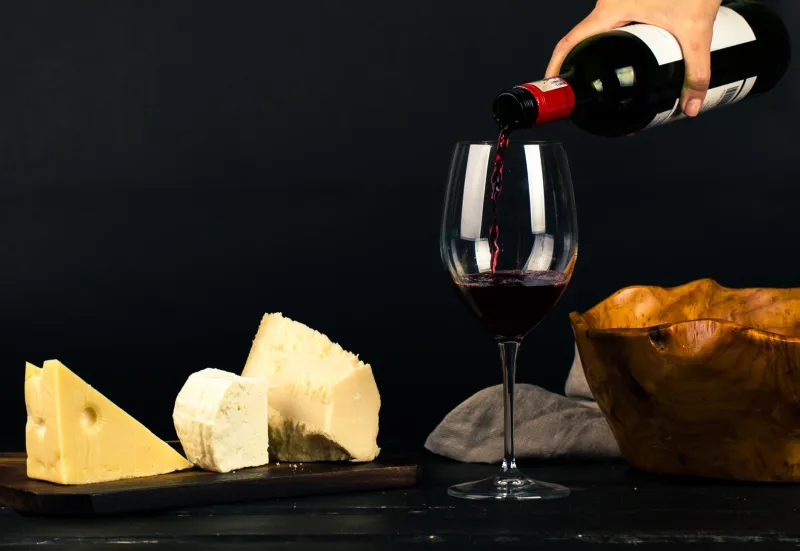
Cheese boards have long been arranged around wine. The ritual is familiar: a cool glass, a wedge of something cloth-bound, a few crackers and a chutney that promises more than it delivers. Cider, by contrast, has often been treated as a summer refreshment or a pub order, not a serious partner for the deli counter. That assumption now looks increasingly out of date. Britain's craft cider makers have spent recent years producing dry, keeved and barrel-aged ciders of real nuance, and their affinity with artisan cheese is difficult to ignore. At a time when the cheese board is being reconsidered as a considered meal rather than a festive afterthought, cider deserves a place at the table.
The orchard's answer to the wine list
The case for cider begins with structure. Good dry cider has acidity, tannin and, in the best examples, a savoury complexity that can sit alongside cheese without overwhelming it. Unlike many wines, cider can carry a gentle bitterness and an orchard fruit character that flatters the nutty, lactic notes of aged cheese. It also has a sense of place. A Somerset cider made from traditional bittersweet apples speaks of the same landscape as a wedge of West Country Cheddar, even if the two are rarely discussed in the same breath.
This is not an argument for novelty. It is an argument for appropriateness. The deli counter already asks customers to think about provenance, seasonality and craft. Cider belongs in that conversation. A bottle of dry, bottle-conditioned cider can be served with the same care as a white wine: chilled, poured into a proper glass, and allowed to open up. The fact that it is British, often made on a small scale, and frequently sold alongside cheese makes the omission from the board all the more puzzling.
Reading the cider list: dry, keeved and barrel-aged
The first distinction worth making is between sweetness and style. Many mass-market ciders are built around residual sugar and a broad, apple-forward profile. Artisan dry ciders are different. They can be austere, mineral and even slightly funky, with tannins that dry the finish. These are the ciders that work best with food.
Keeved cider, made using a method associated with Normandy, is another useful category. The process slows fermentation and leaves a naturally gentle sweetness, often with a hazy appearance and soft sparkle. Keeved ciders can be lower in alcohol and unusually textured, making them a good match for soft, bloomy cheeses and fresh goat's cheese. They are not simple drinks; they have a mellow, orchard character that can bridge the gap between fruit and dairy.
Barrel-aged cider brings a third dimension. Ageing in oak or old spirits casks can add spice, vanilla and a rounded oxidative note. These ciders often have more weight and can stand up to longer-aged cheeses, particularly those with a firm paste and a savoury rind. The key is balance: the cider should refresh the palate, not compete with the cheese for attention.
Matching the wedge: practical pairings
A dry, tannic cider from Somerset is a natural companion to a mature Cheddar. The acidity cuts through the fat, while the tannin and orchard fruit echo the cheese's nutty length. For a softer, more buttery Cheddar, a keeved cider with a little residual sweetness can be more forgiving.
Soft blues benefit from a different approach. A medium-dry cider with bright acidity can temper the salt and cream of a blue cheese, but a very sweet cider will make the cheese taste thinner. Look for a cider with enough grip to cleanse the palate. Barrel-aged ciders can work with blue cheese too, provided the oak is restrained; too much vanilla and the combination turns muddy.
Fresh goat's cheese and bloomy rinds are perhaps the easiest place to start. A light, dry cider with a gentle sparkle is a fine alternative to Sauvignon Blanc, and a keeved cider can bring out the mushroomy notes of a ripe Camembert-style cheese. For a washed-rind cheese, a dry cider with a little farmyard character can be more sympathetic than a heavily oaked wine.
Serving with the same care
If cider is to be taken seriously at the deli counter, it should be served seriously. That means avoiding pint glasses for a start. A wine glass, or a small tumbler for a more rustic presentation, allows the aroma to gather. Serve dry cider well chilled but not frozen; too cold and the tannin becomes harsh. Let bottle-conditioned ciders settle before pouring, and decant if the sediment is loose.
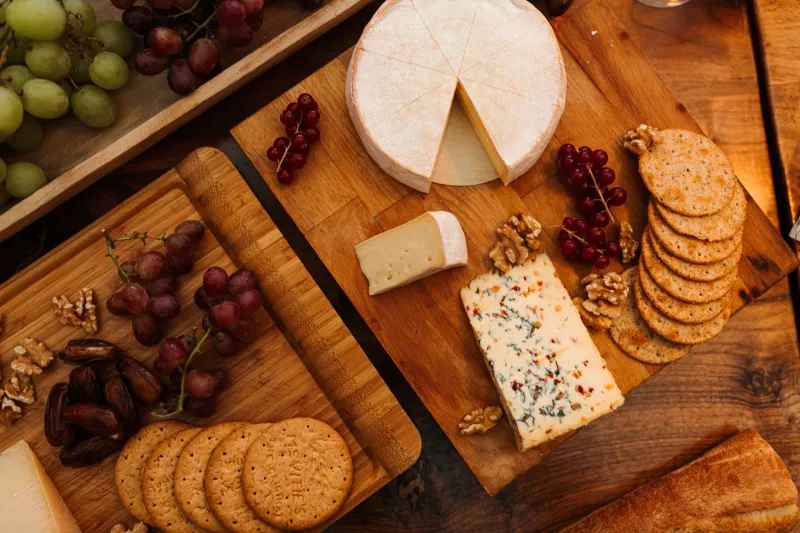
The cheese board itself should be built with the cider in mind. A single well-chosen bottle is better than a row of half-finished ones. Keep the selection focused: perhaps a mature Cheddar, a soft blue and a fresh goat's cheese, with a dry cider and a keeved cider alongside. The point is not to replace wine but to offer another route through the same landscape.
A place at the counter
The British cheese board has become more thoughtful in recent years. It has learned to value rind, farmhouse methods and the quiet differences between one valley and the next. Cider has undergone a similar revival, though it has not always been granted the same respect. Bringing the two together is not a gimmick. It is a recognition that the orchard and the dairy often belong to the same part of the country, and that a dry cider can do for a wedge of cheese what a good wine does: sharpen the appetite, extend the conversation and make the whole thing feel complete.