Beyond Stilton: A Journey Through Britain's Quietly Brilliant County Cheeses
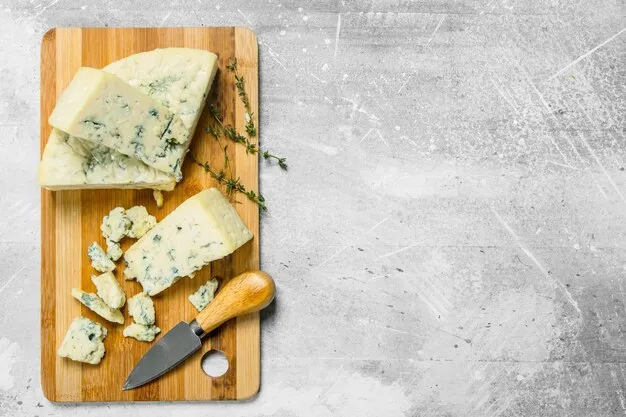
Photo: artisan British cheeseboard blue cheese rustic wooden board, via img.freepik.com
There is a particular pleasure in discovering a cheese that has travelled barely fifty miles to reach your table, made by hands you could almost shake. While the great names — Stilton, Cheddar, Cheshire — rightly command their place in the pantheon, a quieter revolution has been unfolding in Britain's small dairies. These are cheeses of pedigree and patience, and they deserve your attention.
The Forgotten Seven
Stichelton (Nottinghamshire). Made at Welbeck Abbey's estate dairy with raw cow's milk and a traditional cloth rind, Stichelton is what blue cheese enthusiasts whisper about. Its maker, Joe Schneider, adheres to methods that predate pasteurisation — and the result is a blue of remarkable depth: buttery, brothy, with a mineral finish. Serve it with a spoonful of honey and a slice of toasted sourdough.
Barkham Blue (Berkshire). Perhaps the most visually striking cheese in Britain, its mottled blue-and-gold rind concealing a rich, almost sweet paste. Two Hoots' Amersham-made creation pairs magnificently with dark chocolate or a sticky puddle of fig chutney.
Spenwood (Berkshire). A hard ewe's milk cheese from the same family of makers, Spenwood offers nutty, caramel notes reminiscent of the finest pecorino — but with a distinctly English gentleness. Grate it over roast squash, or simply eat it in generous shards.
Sinodun Hill (Oxfordshire). Fresh, lactic goat's cheese with a delicate wrinkled rind, produced at Northmoor. It tastes of spring pasture and would be entirely at home alongside a chilled glass of English rosé.
Bermondsey Hard Pressed (London). Yes, London. From the railway arches of Southwark, this raw milk cheese proves that urban dairies can stand shoulder to shoulder with their rural forebears.
Young Buck (Northern Ireland). Made by Mike Thomson at Ballylisk, this raw milk blue from County Armagh is creamy, spicy and unapologetically bold. It demands a robust partner — think oatcakes and a dram of Irish whiskey.
Lord of the Hundreds (Sussex). A raw sheep's milk cheese with a rustic, crumbly texture and a savoury, almost meaty intensity. It is the sort of cheese that converts sceptics.
Assembling the Perfect County Cheeseboard
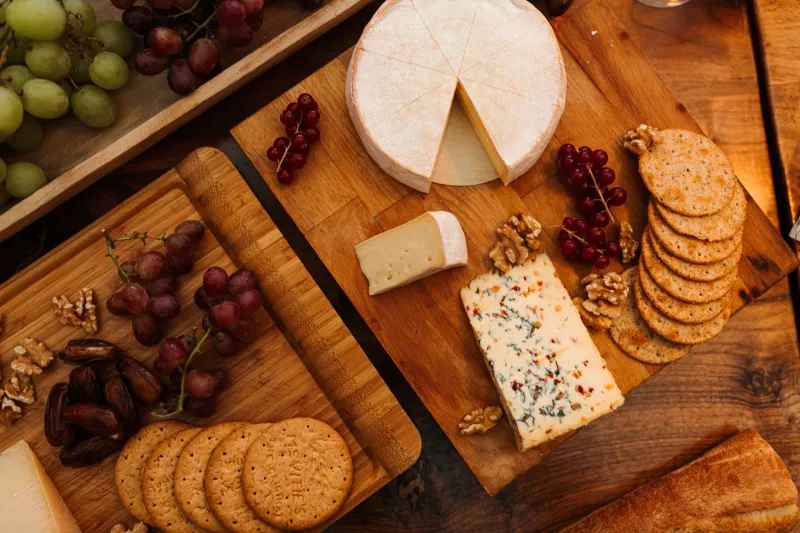
A great cheeseboard is an exercise in restraint and rhythm. Begin with structure: a wooden or slate board at room temperature — never serve cheese straight from the refrigerator, as the cold mutes the very flavours you are celebrating.
- Aim for variety, not abundance. Three to five cheeses, progressing from mild to strong, is far superior to a cluttered melee.
- Charcuterie, thoughtfully. A hand-sliced Air-dried ham from Suffolk or a Yorkshire salami adds savoury counterpoint. Keep portions modest — the cheese is the protagonist.
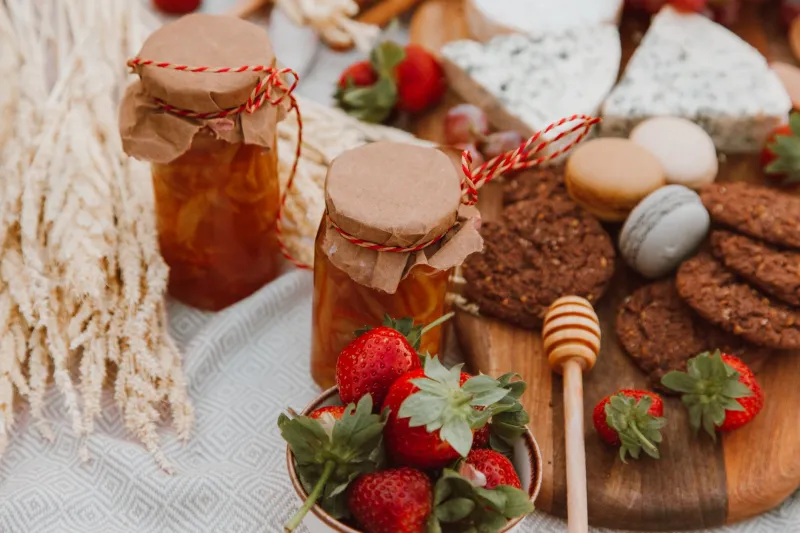
- Chutneys and pickles. A pear and ginger chutney, or a spiced damson preserve, cuts through richness beautifully. Seek out small-batch producers rather than supermarket staples.
- Bread and biscuits. Charcoal oatcakes, seeded crackers and a torn baguette offer texture without competing.
- Seasonal accoutrements. Roasted figs in autumn, Kentish cherries in summer, pickled walnuts come winter.
A Word on Pairing
Do not overlook British drinks. A Somerset cider brandy cuts through blue cheese magnificently; a Sussex sparkling wine lifts a soft goat's cheese; and a well-chosen English pale ale is a surprisingly elegant companion to a cloth-bound Cheddar or hard ewe's milk cheese.
The Case for Seeking Out
These cheeses will rarely appear in the multiples. They are the province of farmers' markets, specialist cheesemongers and mail-order dairies. The effort of sourcing them is precisely the point — each cheese carries a story of place, of heritage breed, of a maker who chose craft over scale.
Build your board with intention. Taste slowly. And perhaps, above all, ask questions: the best cheesemongers are custodians of these stories, and they will happily share them.